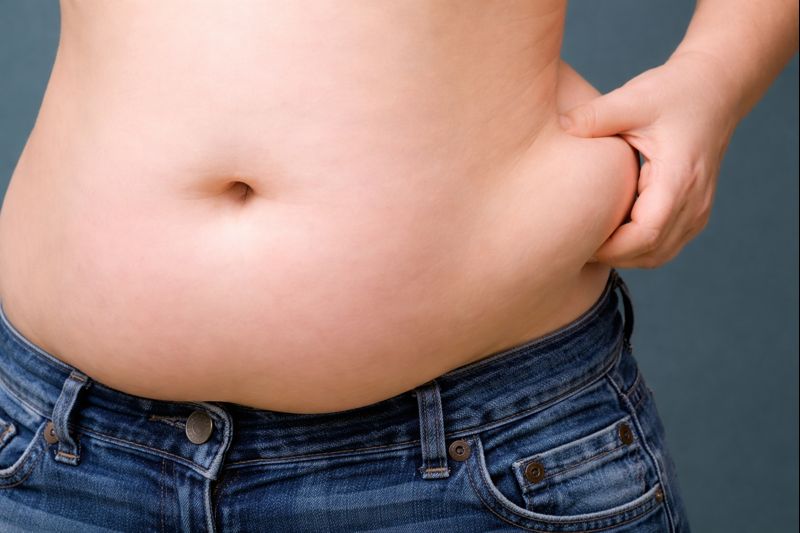
Belly Fat Loss that Really Works
While you never want fat hanging around your waist, for many people it’s often the first place it goes and the last place it leaves when you gain a few pounds.
Believe it or not, love handles aren’t just unattractive. Carrying weight around your abdomen is bad for your health, worse than carrying weight on your hips or thighs, and it is a key indicator of a hormonal imbalance. If you have struggled to lose weight or keep it off, your hormones are involved. Hormones control every aspect of weight loss, including metabolism, where fat is stored, appetite, and cravings. Any form of hormonal imbalance will sabotage your efforts, regardless of diet or exercise habits.
Extra belly fat can indicate one or more of the following hormonal imbalances: high estrogen, low testosterone, low DHEA, high insulin, and high cortisol. Abdominal fat also increases the risk of heart disease and diabetes. A successful program to eliminate stubborn belly fat must include proper nutrition, exercise, sleep, and motivation. When these components work together, fat loss becomes possible.
BEFORE and AFTER Results
Before:
Weight: 170 lbs
Body Fat: 42%
After 90 days:
Weight: 125 lbs
Body Fat: 24%
Dr. Green lost 45 pounds and 18% body fat in just three months using her nutritional plan, and she can do the same for you.
1. High Insulin
Insulin processes sugar in the bloodstream and carries it into cells to be used as fuel or stored as fat. Excess sugar and refined carbohydrates are a major cause of elevated insulin levels. Common contributors include processed foods, sugary drinks, packaged low-fat foods, inadequate protein intake, insufficient healthy fats, and low fiber consumption.
Insulin resistance may also result from lack of exercise, excessive alcohol intake, chronic stress, family history of diabetes, high blood pressure, and excess abdominal fat. Chronically high insulin levels can lead to metabolic syndrome and type 2 diabetes. It is estimated that one in four North Americans has insulin resistance.
Hormone Diet Solution:
Increase protein intake. Aim for 20 to 25 grams of protein per meal and 15 to 20 grams per snack, adjusted for body size and activity level. Men should add an additional 10 grams per meal and 5 grams per snack. Higher protein intake helps stabilize blood sugar, lower insulin levels, control appetite, and promote fat loss. Studies published in Diabetes Care show greater reductions in abdominal fat with higher protein diets. Choose lean protein sources such as chicken, turkey, low-fat dairy, omega-3 eggs, and shellfish.
2. High Cortisol
Cortisol is the body’s stress hormone. Chronically elevated cortisol levels increase appetite and cravings, reduce muscle mass, lower libido, decrease bone density, and accelerate aging. Stress is strongly linked to abdominal fat, even in individuals who are otherwise thin. Research from Yale University and studies published in Psychosomatic Medicine confirm the relationship between cortisol and belly fat accumulation.
Hormone Diet Solution:
Prioritize sleep and regular meals. Sleep 7.5 to 9 hours per night. Poor sleep increases cortisol and drives cravings for sugary and carbohydrate-heavy foods, even when calorie needs are met. Eating a high-protein breakfast within one hour of waking and avoiding long gaps between meals helps stabilize blood sugar and reduce stress hormones.
3. High Estrogen
In men, excess abdominal fat increases the conversion of testosterone into estrogen, promoting further fat accumulation and increasing prostate cancer risk. In women, estrogen dominance can cause PMS, fat storage around the hips, and difficulty losing weight. Men and women with high estrogen may experience low libido, memory loss, depression, reduced motivation, muscle loss, and increased belly fat.
Hormone Diet Solution:
Blood or saliva testing can determine estrogen levels. If elevated, supplements such as indole-3-carbinol, green tea, and turmeric may help restore balance. Ground flaxseed, chia seeds, or fiber supplements can assist the body in eliminating excess estrogen.
4. Low Testosterone
Testosterone declines with age, stress, obesity, and increased abdominal fat. Chronic stress shifts hormone production toward cortisol instead of testosterone. Low testosterone has been linked to depression, obesity, osteoporosis, heart disease, and increased mortality. Research from the University of Washington shows men with low testosterone are more likely to accumulate abdominal fat.
Symptoms may include muscle loss, reduced strength, fatigue, low motivation, and depression.
Hormone Diet Solution:
Tribulus terrestris may help support testosterone by reducing binding to SHBG. Zinc supplementation and resistance training are also beneficial. Adequate protein intake supports healthy testosterone levels. Blood testing should include both free and total testosterone.
5. Low DHEA
DHEA is produced by the adrenal glands and is a precursor to estrogen and testosterone. It counteracts cortisol and supports fat loss, muscle gain, libido, motivation, and energy. DHEA naturally declines with age and chronic stress.
Hormone Diet Solution:
DHEA levels should be measured through blood or saliva testing before supplementation. Low doses of 5 to 25 mg twice daily with meals may be recommended when deficient. Levels should be rechecked after four to six weeks. Herbal supplements such as Relora may help lower cortisol and increase DHEA levels.
6. Low Growth Hormone
Growth hormone plays a critical role in tissue repair, muscle development, bone density, and healthy body composition. It is released during deep sleep and exercise and declines with age. Research published in the Journal of Clinical Endocrinology & Metabolism links low growth hormone levels with abdominal obesity and increased cardiovascular risk in postmenopausal women.
Hormone Diet Solution:
Sleep in complete darkness in a cool room to promote melatonin and growth hormone release. Avoid eating close to bedtime. Incorporate short, intense strength-training sessions three times per week to naturally stimulate growth hormone production.

