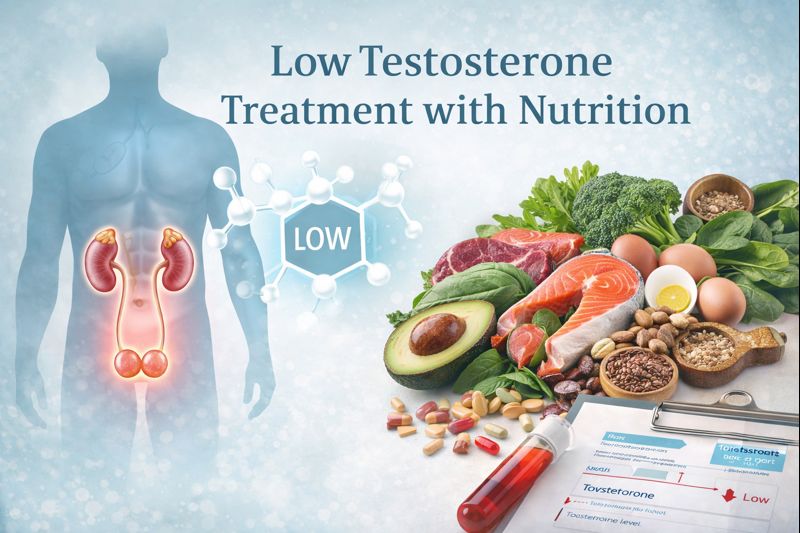
Low Testosterone Treatment with Nutrition
Testosterone supplementation carries serious risk. A safer long-term strategy is to lose weight, normalize body fat, and support healthy hormone balance naturally through nutrition and lifestyle changes.
Testosterone therapy and heart risk
In late January 2026, multiple national outlets reported on research suggesting a potential link between testosterone therapy and increased heart attack risk.
Key points reported included:
A study published in PLOS One reported higher heart attack risk in men taking testosterone, especially men over 65, and younger men with a history of heart disease.
Researchers compared men prescribed testosterone with men prescribed erectile dysfunction medications. The erectile dysfunction medications showed only a very slight increase in heart attack risk.
Medical experts noted the study was not a randomized trial, but when combined with other medical literature, the overall pattern raised concern.
The FDA stated it was reviewing the findings at the time.
Possible mechanisms discussed included effects on cholesterol and increased blood clotting.
The smarter path, fix the root cause
If symptoms of low testosterone are linked to excess body fat, insulin imbalance, or metabolic dysfunction, the priority should be correcting those drivers first. For many men, improving nutrition, reducing body fat, and restoring healthy insulin levels can support better hormone balance without relying on supplements.
Weight Loss Programs
Our approach is a medically guided program structured to meet your individual weight loss goals.
Step 1: Aggressive Weight Loss
We restore proper insulin levels and restrict diet for rapid, safe weight loss.
Step 2: Educational Step
Healthy carbohydrates are reintroduced in preparation for long-term stability.
Step 3: Permanent Lifestyle Change
The final step is structured to help maintain goal weight for life.
Diabetes
Diabetes is a disorder of metabolism, the way the body uses digested food for growth and energy. Most food is broken down into glucose, the body’s main fuel. After digestion, glucose enters the bloodstream and must move into cells to be used. Insulin, produced by the pancreas, is required for glucose to enter cells.
Low Testosterone
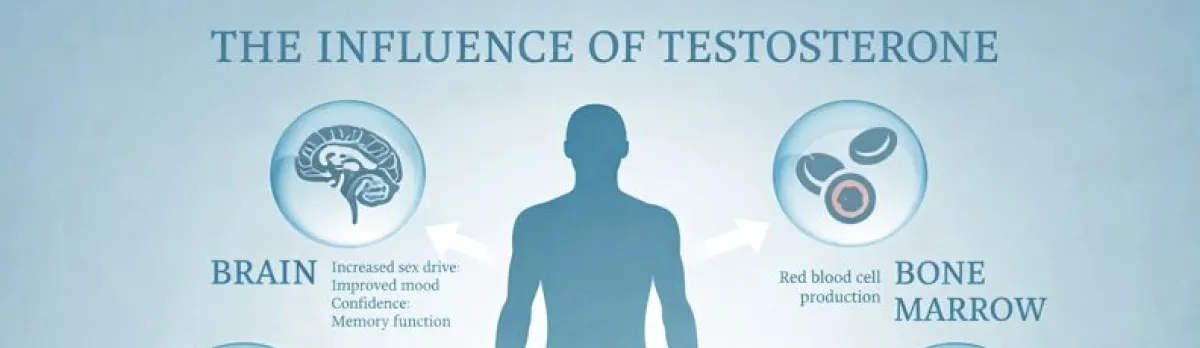
6 Key Signs of Low Testosterone
Lack of energy
Low libido
Increased body weight
Low strength and endurance
Depression and mood swings
Lack of focus

